Hong Kong Island Neighborhoods Guide
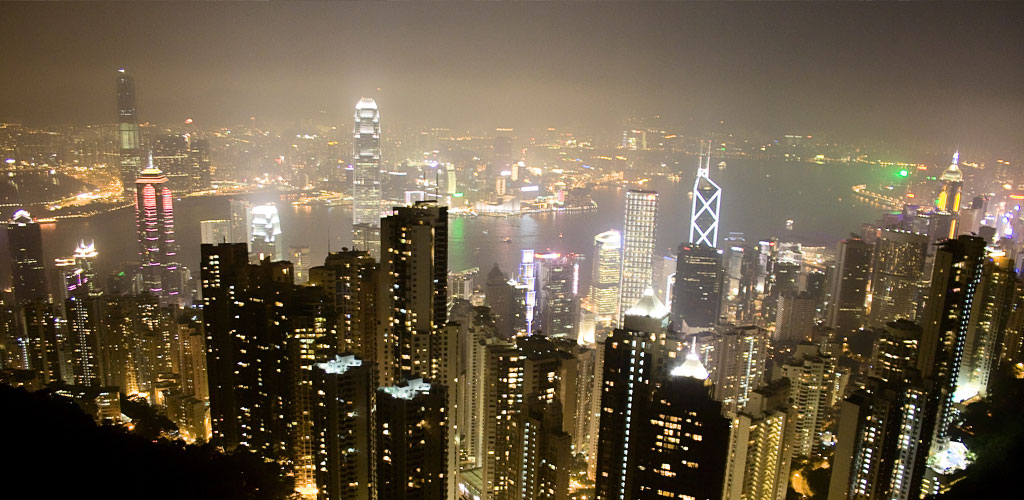
Hong Kong Island is home to the territory's most important business districts, vibrant neighborhoods, and diverse residential areas. From the towering skyscrapers of Central to the bustling shopping streets of Causeway Bay, each neighborhood offers its own unique character and attractions. This comprehensive guide explores the key districts that make Hong Kong Island one of Asia's most dynamic destinations.
🗺️ Quick Navigation
Business Districts: Central, Admiralty, Wan Chai
Shopping Areas: Causeway Bay, Central, Tsim Sha Tsui
Residential Areas: Mid-Levels, Happy Valley, North Point
Cultural Districts: Sheung Wan, Tai Hang, SoHo
Central District - The Financial Heart
Central District stands as Hong Kong's undisputed financial and business center, home to the territory's most important commercial institutions. This densely packed area features some of the world's most expensive real estate, towering skyscrapers, and the headquarters of major international banks and corporations.
The district connects seamlessly to Victoria Harbour via the iconic Star Ferry pier, offering stunning views of the Kowloon skyline. Central is also the gateway to Victoria Peak via the historic Peak Tram, making it a crucial hub for both business and tourism.
🏢 Central Business Facilities
Major Office Towers: International Finance Centre (IFC), Exchange Square, Prince's Building
Transportation: Central MTR Station (6 lines), Airport Express, Star Ferry
Shopping: IFC Mall, Landmark, Prince's Building
Hotels: Four Seasons, Mandarin Oriental, Conrad Hong Kong
Lan Kwai Fong - Nightlife Hub
Within Central lies the famous Lan Kwai Fong entertainment district, a compact area of narrow streets lined with bars, restaurants, and nightclubs. This cosmopolitan neighborhood attracts international business professionals and visitors, particularly in the evenings and weekends. The area transforms from a quiet business district during the day to a vibrant party destination after dark.
Wan Chai District - Heritage Meets Modernity
Wan Chai perfectly embodies Hong Kong's blend of old and new, where traditional wet markets operate alongside gleaming office towers. This dynamic district has evolved far beyond its reputation as a red-light area depicted in "The World of Suzie Wong," becoming one of the city's most exciting neighborhoods for dining, culture, and nightlife.
The area features the Hong Kong Convention and Exhibition Centre, numerous temples hidden among modern developments, and some of the city's best restaurants. Wan Chai's strategic location between Central and Causeway Bay makes it incredibly convenient for both business and leisure activities.
Star Street Precinct
The trendy Star Street area showcases Wan Chai's hip evolution, featuring chic boutiques, artisanal coffee shops, and innovative restaurants housed in converted heritage buildings. This pedestrian-friendly zone attracts locals and visitors seeking authentic Hong Kong experiences away from tourist crowds.
🎯 Wan Chai Highlights
Cultural Sites: Pak Tai Temple, Blue House heritage building
Dining: Johnston Road food scene, Star Street restaurants
Transportation: Wan Chai MTR Station, Star Ferry pier
Business: Convention Centre, Revenue Tower, Immigration Tower
Causeway Bay - Shopping Paradise
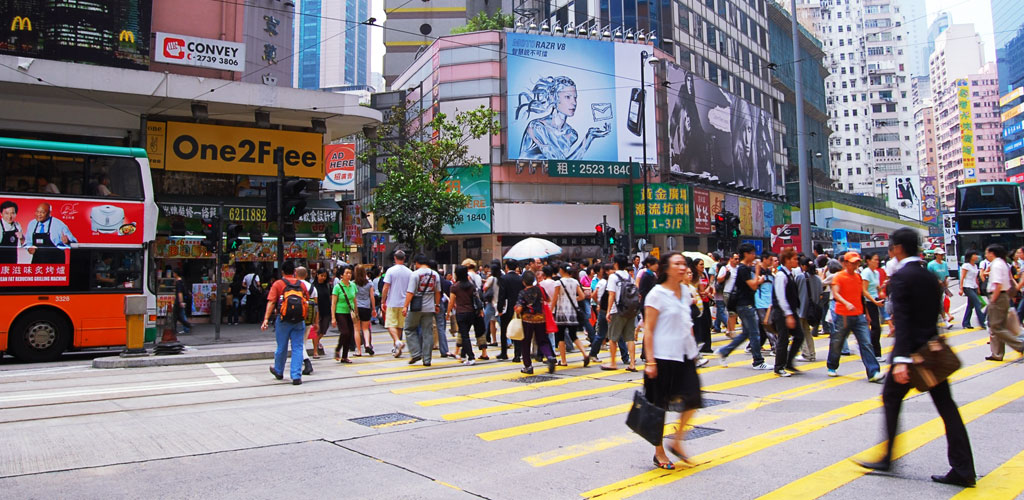
Causeway Bay ranks as one of the world's premier shopping destinations, featuring everything from luxury department stores to street-side vendors. This densely populated area buzzes with activity 24/7, earning its reputation as Hong Kong's retail heart where East meets West in spectacular fashion.
The neighborhood centers around the massive Times Square complex and Hysan Place, but its charm lies in the maze of smaller streets filled with local eateries, fashion boutiques, and specialty shops. Victoria Park provides a green oasis amid the urban intensity, hosting everything from morning tai chi sessions to weekend markets.
Tin Hau Area
Adjacent to Causeway Bay, the Tin Hau area offers a more residential atmosphere while maintaining excellent shopping and dining options. The famous Tin Hau Temple draws both worshippers and tourists, while the surrounding streets feature excellent local restaurants and more affordable shopping compared to the main Causeway Bay thoroughfares.
🛍️ Shopping Districts
Major Malls: Times Square, Hysan Place, Lee Gardens
Street Shopping: Leighton Road, Hennessy Road
Local Markets: Jardine's Crescent, Tai Yuen Street (Toy Street)
Transportation: Causeway Bay MTR Station, Tin Hau MTR Station
Other Key Neighborhoods
Sheung Wan - Traditional Meets Trendy
Sheung Wan preserves much of old Hong Kong's character while embracing contemporary developments. Traditional Chinese medicine shops, dried seafood stores, and tea merchants operate alongside modern art galleries, craft breweries, and boutique hotels. The area's hilly terrain and narrow streets create an intimate village-like atmosphere within the urban metropolis.
SoHo (South of Hollywood Road)
This trendy district stretches up the hillside from Central, accessible via the historic Central-Mid-Levels escalator system. SoHo combines international restaurants, wine bars, and antique shops with stunning harbor views. The area attracts a cosmopolitan crowd of residents and visitors seeking sophisticated dining and nightlife options.
Happy Valley
Famous for its historic horse racing track, Happy Valley offers a more relaxed residential atmosphere compared to the busy commercial districts. The neighborhood features excellent restaurants, particularly along Wong Nai Chung Road, and provides easy access to both Central and the south side of the island.
🚇 Transportation Connections
MTR Lines: Island Line, Tsuen Wan Line, South Island Line
Tram Routes: East-west across northern Hong Kong Island
Ferry Services: Star Ferry to Tsim Sha Tsui, other harbor routes
Bus Networks: Extensive coverage to all Hong Kong areas
North Point - Local Character
North Point retains strong local character with its traditional markets, family-run restaurants, and more affordable shopping options. The area has become increasingly popular with young professionals seeking convenient MTR access without Central district price tags. Java Road features excellent local dining, while City Garden provides upscale residential options.
Tai Hang - Village Atmosphere
This charming neighborhood maintains a village-like feel despite its central location. Tai Hang features narrow streets lined with independent cafes, restaurants, and boutiques. The area is famous for its annual Fire Dragon Dance during Mid-Autumn Festival and attracts residents who appreciate its quieter pace and strong community spirit.
Accommodation Options
Hong Kong Island offers accommodation for every budget and preference, from luxury hotels in Central and Admiralty to boutique properties in Wan Chai and Causeway Bay. Business travelers typically prefer Central and Admiralty for proximity to offices, while leisure visitors often choose Causeway Bay for shopping access or Wan Chai for cultural experiences.
🏨 Hotel Districts
Luxury Hotels: Central, Admiralty (Four Seasons, Mandarin Oriental)
Business Hotels: Wan Chai, Causeway Bay (Grand Hyatt, Park Lane)
Boutique Options: Sheung Wan, SoHo (Ovolo, Hotel Madera)
Budget-Friendly: North Point, Tin Hau (various international chains)
Dining and Nightlife
Each neighborhood offers distinct dining experiences reflecting Hong Kong's incredible culinary diversity. Central provides high-end international cuisine, Wan Chai excels in local Cantonese food, Causeway Bay offers everything from street food to luxury restaurants, while areas like SoHo and Sheung Wan feature innovative fusion dining and craft cocktails.
Nightlife varies significantly by area - Lan Kwai Fong attracts the international business crowd, Wan Chai offers a mix of local and expat venues, while areas like SoHo provide more sophisticated wine bars and lounges. Each district maintains its own character after dark, from bustling night markets to elegant rooftop bars.
Shopping and Business
Hong Kong Island serves as the territory's primary business and shopping hub. Central houses major banks and corporate headquarters, while Causeway Bay offers retail therapy for every taste and budget. The concentration of business activity, combined with excellent transportation links, makes the island essential for both commerce and leisure.
💡 Local Tips
Peak Hours: Avoid MTR rush hours (7:30-9:30 AM, 6:00-8:00 PM)
Best Views: Victoria Peak, IFC rooftop, harbor-facing restaurants
Local Markets: Visit morning wet markets for authentic experiences
Walking: Many areas are pedestrian-friendly with covered walkways
Getting Around
Hong Kong Island's excellent transportation network makes exploring different neighborhoods convenient and efficient. The MTR provides fast connections between major districts, while the historic tram system offers scenic journeys across the northern part of the island. Taxis, buses, and the Star Ferry provide additional options for reaching specific destinations.
Walking remains one of the best ways to experience neighborhood character, with many areas connected by air-conditioned pedestrian bridges and underground passages. The compact nature of Hong Kong Island means that neighboring districts are often within walking distance of each other.
Each neighborhood on Hong Kong Island contributes to the territory's distinct character, offering visitors and residents diverse experiences within a relatively small geographic area. Whether seeking business opportunities, cultural experiences, shopping adventures, or culinary discoveries, Hong Kong Island's neighborhoods reward exploration.