Food and Dining Hong Kong Island Guide
Hong Kong Island delivers an extraordinary culinary landscape where Michelin-starred dining meets authentic street food, creating dining experiences that reflect the territory's unique position as Asia's international culinary capital. From legendary dim sum houses to contemporary fusion cuisine, the island offers flavors and dining experiences found nowhere else in the world.
• Three MICHELIN stars: 7 restaurants in Hong Kong in the 2026 MICHELIN Guide — 8½ Otto e Mezzo Bombana, Amber, Caprice, Forum, Sushi Shikon, Ta Vie and T'ang Court
• Two MICHELIN stars: 13 restaurants in Hong Kong in the 2026 MICHELIN Guide, including Lung King Heen and L'Atelier de Joël Robuchon
• One MICHELIN star: 57 restaurants in the 2026 MICHELIN Guide, from Cantonese dining rooms to Japanese counters
• Reservations: essential at the top restaurants, and hotel concierges can reach tables that online booking cannot
Michelin-Starred Excellence
Three MICHELIN Stars in the 2026 Guide
Amber (The Landmark Mandarin Oriental) holds three MICHELIN stars in the 2026 MICHELIN Guide Hong Kong, representing the pinnacle of modern French cuisine with Asian influences. Chef Richard Ekkebus creates seasonal menus showcasing premium ingredients from France and Japan, combining Japanese elements like sansho peppers and seaweed with exacting French technique. Located on the 7th floor of The Landmark Mandarin Oriental, 15 Queen's Road Central, Central. Reservations: +852 2132 0066. The sophisticated atmosphere and exceptional wine program make it ideal for special occasions and business dining.
8½ Otto e Mezzo Bombana (Alexandra House, Central) holds three MICHELIN stars in the 2026 MICHELIN Guide Hong Kong. Chef Umberto Bombana, known as "The King of White Truffles," builds his Italian cooking on first-class ingredients, and the restaurant keeps one of the largest Italian wine collections in the city. Located at Shop 202, 2F, Alexandra House, 18 Chater Road, Central. Book ahead for dinner, and go when in season for the truffles the chef is known for.
Our fine dining guide to Hong Kong Island covers the island's other three-star rooms — Caprice, Sushi Shikon, Ta Vie and Forum — plus what changed in the 2026 guide and how to book.
Two MICHELIN Stars and the One-Star Tables (2026 Guide)
Lung King Heen (Four Seasons Hotel Central) holds two MICHELIN stars in the 2026 MICHELIN Guide Hong Kong, on the 4th floor with panoramic harbour views. Chef Chan Yan Tak — the first Chinese chef to earn three MICHELIN stars, in the 2009 guide — creates contemporary interpretations of traditional Cantonese cuisine, with signature dishes including braised whole abalone and Peking duck. Located at 8 Finance Street, Central. This is a dinner-and-occasion restaurant: book ahead and go for the Cantonese classics rather than a quick lunch.
The Chairman (Central) holds one MICHELIN star in the 2026 guide and focuses on farm-to-table Cantonese cuisine using ingredients sourced directly from mainland Chinese farms. Their commitment to traditional cooking methods and seasonal ingredients has earned critical acclaim and a loyal local following. It is a Cantonese dinner of shared plates, so book it for a group rather than a solo meal.
Book MICHELIN-starred restaurants as soon as your dates are fixed. Online reservation windows open weeks ahead, so find out when each restaurant opens its book and set a reminder for that day. Consider lunch reservations which are often easier to secure and less expensive than dinner.
Authentic Hong Kong Dining Experiences
Dim Sum Institutions
City Hall Maxim's Palace is the dim sum decision for a Central lunch: old-school trolley service in a large hall with Victoria Harbour views, and a menu built on har gow, siu mai and roast meats. Come at lunch rather than dinner — dim sum is the reason to be here. Located at 2/F, City Hall Low Block, 5 Edinburgh Place, Central. Hours: Mon-Sat 11:00-15:00 and 17:30-22:30; Sundays and public holidays 09:00-15:00 and 17:30-22:30. Enquiries: +852 2521 1303.
Lin Heung Tea House (Lin Heung Lau, Sheung Wan) is the most authentic traditional dim sum experience here: locals queue for tables, dishes sell out by the afternoon, and the no-reservations policy plus communal seating produce an atmosphere that modern restaurants cannot copy. It left its old Wellington Street premises in 2026 and now trades at G/F-2/F, Tung Ning Building, 249-253 Des Voeux Road Central, Sheung Wan, beside Sheung Wan MTR Exit B. Go early, go for lunch, and expect to share a table.
Local Favorites and Hidden Gems
Cha chaan tengs (tea restaurants) cover the hours between the dim sum halls and the dining rooms: order a pineapple bun with butter, milk tea, Hong Kong-style French toast or satay beef noodles, and eat where the tables are full of people who live nearby. They are the island's everyday eating and the easiest place to sit down alone.
Tsui Wah Restaurant (Multiple Locations) operates as Hong Kong's beloved cha chaan teng (tea restaurant) chain, serving comfort foods like crispy buns with condensed milk, Hong Kong-style French toast, and satay beef instant noodles that define local culinary identity.
International Cuisine Highlights
Contemporary Asian
Duddell's (Level 3, Shanghai Tang Mansion) combines contemporary Cantonese cuisine with art gallery exhibitions, creating unique dining experiences where culinary and visual arts intersect. The restaurant's commitment to supporting local artists makes each visit culturally enriching.
Yardbird (Sheung Wan) specializes in yakitori and Japanese comfort food with Hong Kong influences, featuring an extensive sake selection and intimate counter seating that encourages interaction with skilled chefs.
European Excellence
Salisterra (The Upper House, Admiralty) occupies the 49th floor that Café Gray Deluxe vacated when it closed on 31 December 2020; Salisterra opened in April 2021. The harbour views that made the floor famous are unchanged, and you reach the hotel from Admiralty MTR station through Pacific Place.
Porterhouse (ifc Mall) delivers premium steakhouse dining with an extensive wine cellar and harbor-view seating. The restaurant sources premium beef from around the world while maintaining strong wine program focused on both Old and New World selections.
• Chopstick placement: Never stick them upright in rice bowls
• Tea service: Tap table lightly with fingers to thank tea pourers
• Bill payment: Arguing over payment is customary; hosts typically pay
• Tipping: 10% is standard; often included in fine dining establishments
Street Food and Markets
Graham Street Market (Central)
This traditional wet market transforms into a street food destination during lunch hours, offering authentic Hong Kong snacks including fish balls, curry squid, and fresh fruit from regional vendors. The market provides insight into daily Hong Kong life while serving genuinely local flavors.
Wan Chai Street Food
Evening food stalls in Wan Chai serve late-night dining favorites including stinky tofu, grilled seafood, and Hong Kong-style desserts. The informal atmosphere and local clientele provide authentic cultural experiences alongside excellent food at budget-friendly prices.
Afternoon Tea Culture
The afternoon tea most visitors are looking for — The Peninsula's Lobby service, and The Lounge & Bar on the 102nd floor of the International Commerce Centre — is served in Tsim Sha Tsui, on the Kowloon side of the harbour. That puts both outside this island guide, so treat the tea as a cross-harbour outing: Hong Kong Island vs Kowloon sets out what each side gives you, and how to get to and from Kowloon covers the Star Ferry and MTR crossings that take you there.
Dining Districts and Neighborhoods
Central Business District
Central holds 5 of Hong Kong's 7 three-MICHELIN-starred restaurants in the 2026 guide — Amber, 8½ Otto e Mezzo Bombana, Caprice, Sushi Shikon and Ta Vie — along with international cuisine at every level, and it is the easiest part of the island to eat in because the MTR and the elevated walkways do the navigating for you — see the Hong Kong Island MTR stations guide for the exits that matter. Lunch crowds create an energetic atmosphere while evening dining tends toward business entertainment and special occasions.
Wan Chai Local Culture
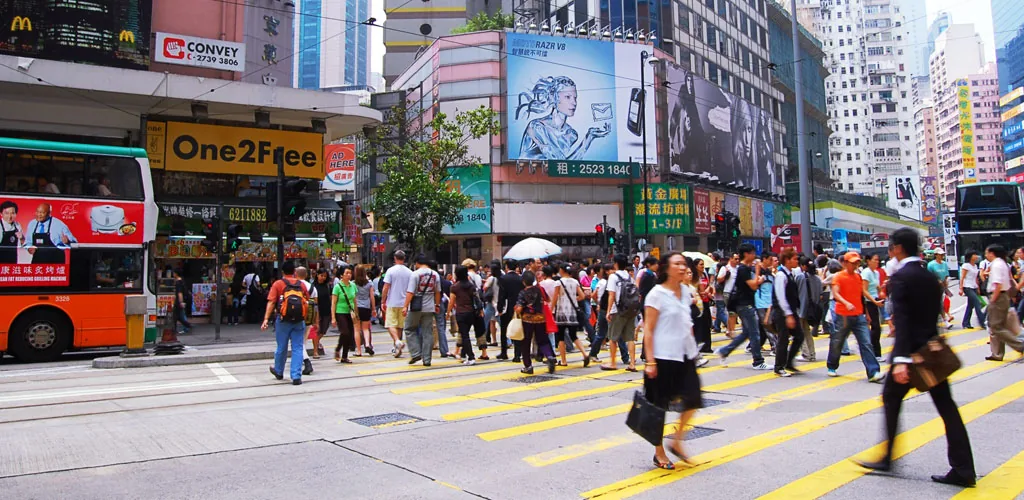
Wan Chai maintains stronger local dining culture with traditional cha chaan tengs, local markets, and authentic Cantonese restaurants that serve neighborhood residents rather than tourists. Evening hours bring vibrant street food scenes and local nightlife.
Sheung Wan Innovation
Sheung Wan has emerged as Hong Kong's culinary innovation district, featuring young chefs, creative fusion concepts, and artisanal food producers. The area balances traditional dried seafood markets with contemporary dining experiences.
• Breakfast: a cha chaan teng — pineapple bun, milk tea, and no booking needed
• Lunch: dim sum at Maxim's Palace or Lin Heung, which is when both are at their best
• Afternoon: the quiet stretch between lunch and dinner, when many traditional kitchens close
• Dinner: Cantonese roast and seafood, or one of the starred dining rooms
Practical Dining Information
Meal Times: The island eats in two sittings — lunch and dinner — and many traditional restaurants close between them, so plan a dim sum lunch rather than an afternoon visit, and expect the dining rooms to fill again after 19:00.
Language Considerations: Most fine dining establishments provide English-speaking staff, while local restaurants may require basic Cantonese or pointing at menu items. Many restaurants provide picture menus or English translations.
Payment Methods: International credit cards are widely accepted in restaurants, though local establishments may prefer cash or Octopus cards. Tipping practices vary, with 10% standard in restaurants but not required in casual dining.
Hong Kong Island's dining scene reflects the territory's unique cultural position, where traditional Cantonese techniques meet international influences creating flavors and experiences impossible to replicate elsewhere. Whether seeking Michelin-starred perfection or authentic street food adventures, the island delivers culinary experiences that create lasting memories while showcasing Hong Kong's extraordinary cultural diversity.